

Leak Detection and Slab Leak Repair
Some leaks announce themselves with a drip. The expensive ones stay quiet: a pinhole in a copper line under a slab, a corroded galvanized joint inside a wall, a supply line under the house that has been seeping into the crawlspace for months. Leaks like these are found every week across the Birmingham area, and when the pipe itself is the problem, the answer is replacing it.
The water bill test
The first clue is usually the bill. If your water use jumps and nothing in the house changed, check it yourself before you ask anyone to come out. Turn off every faucet and appliance that uses water, make sure the toilets have stopped filling, then look at the meter. Most meters have a small triangle or dial that spins when water moves. If it is turning with everything off, water is leaving the pipes somewhere.
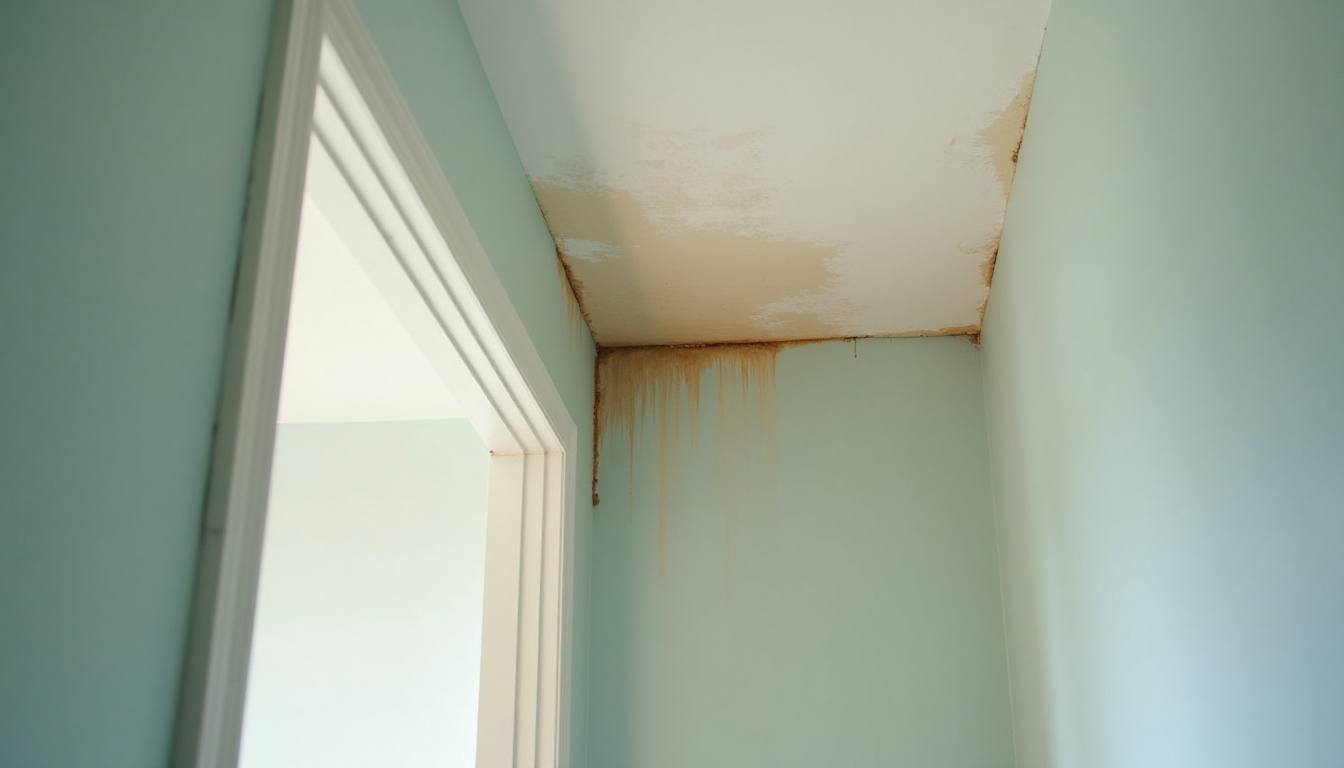
Other signs: the sound of running water when nothing is on, warm spots on a tile or wood floor, a musty smell, damp baseboards, new cracks in a slab floor, low pressure everywhere at once, or a water heater that seems to fire all the time. A toilet that refills on its own also shows on the meter; it is the most common hidden leak in any house and one of the quickest fixture fixes there is. The EPA WaterSense leak numbers show how much an ordinary household loses to drips and running toilets in a year.
This is worth chasing quickly. Water from Birmingham Water Works is billed at your meter, and the Jefferson County sewer charge is calculated from the same reading. The county sewer rates are among the highest in the country, so every gallon a leak wastes gets charged twice.
Finding it without tearing up the house
Finding a leak is mostly about narrowing it down. A good plumber starts by isolating sections of the plumbing: shutting off branches, testing the hot and cold sides separately and pressure-testing lines to see which one loses pressure. A leak on the hot side under a slab, for example, often shows up as a warm spot on the floor and a water heater that keeps firing.
From there the tools should fit the house. Acoustic listening equipment picks up the hiss of pressurized water escaping through concrete or a wall. Thermal imaging shows warm or cold patterns that follow a leaking line. Moisture meters map how far water has spread in drywall and subfloor. The goal is to open one small spot in the right place instead of cutting holes all over a room, so ask how the plumber plans to locate the leak before anything gets opened. When the leak is outside the house, between the meter and the foundation, the same listening gear traces the buried line across the yard so the digging stays to one short trench.
Slab leaks and red clay soil
Slab leaks are common here because of the ground. Birmingham sits on heavy red clay that shrinks in dry late-summer spells and swells in wet winters, and that cycle moves foundations and slabs a little every year. Copper supply lines that run under or through the slab shift with it. Over time a line rubs against concrete or gravel, or a joint is stressed until it gives, and the leak starts where nobody can see it.
Slab homes across the southern suburbs have exactly this kind of buried copper, and older houses in the neighborhoods around Bessemer often have service lines that were buried decades ago and have moved with the clay ever since. Bigger lots in parts of Vestavia Hills have long underground runs from the meter that can leak in the yard before the water ever reaches the house.
A slab leak repair is one of three things: open the floor at the leak and fix that section, reroute the line through the walls or attic and abandon the buried piece, or, when the line has several weak spots, replace that whole run. Rerouting often costs less than breaking concrete and leaves the new pipe where it can be reached later, so ask for a price on both.
Galvanized pipe in pre-1960 homes
In houses built before about 1960, which covers much of Southside, Highland Park, Forest Park and Avondale, the original supply lines are often galvanized steel. Galvanized pipe rusts from the inside. The opening slowly closes, so pressure drops, and the threaded joints, where the pipe wall is thinnest, eventually start to seep. Brown water when a faucet first opens is a typical sign.
One leaking galvanized joint is rarely alone. Fixing it with copper or PEX takes care of that spot, but the pipe on either side is the same age and in the same shape. That does not mean you have to repipe the day the leak is found, but you should know what you are living with.
Spot repair or repipe
A spot repair makes sense when the leak has a single cause: one damaged fitting, a nail through a line, a pipe that froze and split. A repipe makes sense when the leaks come from the age and material of the pipe itself, when pressure is poor throughout the house, or when you have had two or three leaks in a year. Most repipes today use PEX, which bends around framing and needs fewer joints, or copper where the owner prefers it.
A repipe sounds like a gut renovation, but it rarely is. A careful plumber runs new lines through walls and ceilings with small access openings, keeps the water on for as much of the work as possible and leaves the openings clean and ready to patch. Ask to see both options side by side. Ask for the price in writing, based on the actual repair from a single fixture to a full line replacement, before any work starts.
Related
Toilets, Fixtures and Gas Lines
What each job involves and what to ask a plumber.
Local Plumbers in Vestavia Hills
Get a free quote.
Plumbing Repairs in Bessemer
Send the form for a free quote today.
Services
Read what each involves, then send the form to be connected with an independent local plumber.
Ask for a leak detection quote
Tell us what made you suspect a leak: the bill, a sound, a stain or a warm floor. Let us know whether the house is on a slab or a crawlspace and roughly when it was built. We read every request and connect you with a local plumber who does leak work. The quote is free.